


Consumers move through digital spaces quickly, discovering products in feeds, researching options, and making decisions within moments. B2C digital marketing sits at the center of that activity, shaping how brands appear, communicate, and compete across the platforms that people use every day.
For brands, visibility alone isn’t enough. Attention is limited, expectations are high, and every interaction influences whether a shopper continues exploring or moves on to another option.
This guide explores the strategies, channels, and emerging trends that help brands stay visible, engage the right audiences, and convert interest into lasting customer relationships in today’s competitive digital marketplace.
B2C Buyer Psychology: Digital Marketing in 2026
Digital platforms didn’t just change shopping. They changed how decisions happen. Today’s B2C buyer moves fast, absorbs information, and reacts to signals instantly that feel relevant.
Behind every click is a mix of instinct, context, and trust. The brands that win understand these triggers and design experiences that work with human behavior.
Emotional Triggers and Impulse Decisions
Consumers rarely analyze purchases the way businesses do. In B2C, many decisions happen quickly and are influenced by emotion, convenience, and immediate value.
Digital marketing takes advantage of this by using cues that encourage fast action: things like limited-time offers, strong social proof, compelling product visuals, and frictionless checkout experiences. When these elements work together, they reduce hesitation and make it easier for consumers to move from interest to purchase in just a few moments.
The Shift from Transactions to Relationships
Modern consumers expect more than a one-time purchase. They gravitate toward brands that feel credible, transparent, and aligned with their values.
When communication feels authentic, and brands engage openly with feedback, trust grows. That trust turns casual buyers into repeat customers and often into loyal advocates who recommend the brand to others.
Key Objectives of B2C Digital Marketing
Before launching campaigns or experimenting with new channels, strong B2C strategies start with clear objectives. They function as the operating system behind every marketing move.
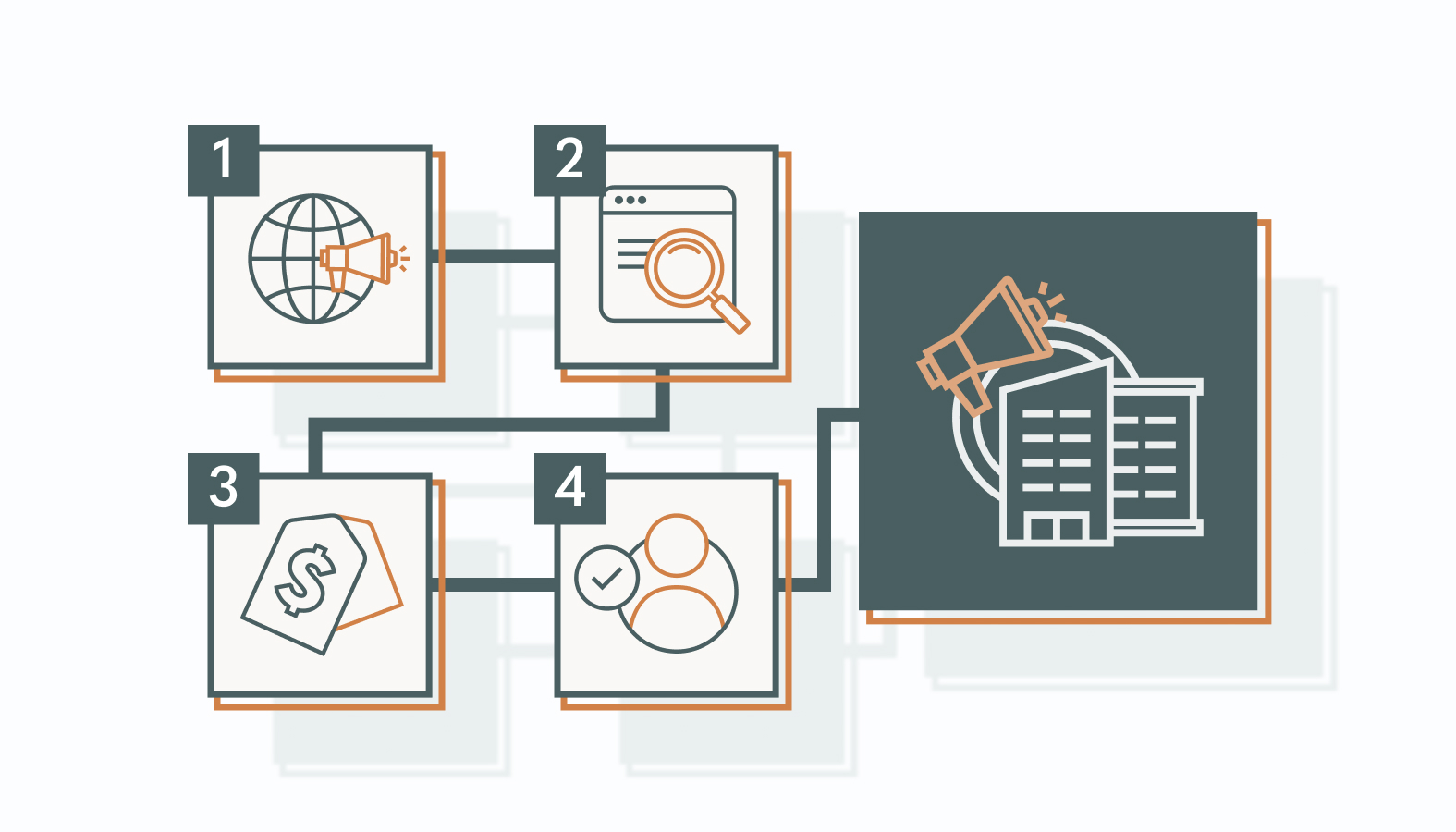
Most B2C digital marketing efforts revolve around four core goals:
Increase brand awareness and reach
In crowded markets, visibility is power. But the objective isn’t just being seen. It’s becoming recognizable and memorable when consumers start considering options.
Drive qualified traffic to websites or apps
Traffic only matters if the right people are arriving.
Effective B2C marketing focuses on attracting audiences who are genuinely interested in the product or service, not just boosting vanity metrics.
Boost conversions and sales
Marketing needs to move people from interest to action. Conversions can include product purchases, app downloads, email sign-ups, and trial registrations.
Each represents a step deeper into the brand relationship.
Build lasting customer relationships and loyalty
The most valuable customers are often the repeat ones.
Strong B2C strategies prioritize retention through personalized experiences, consistent value, and meaningful engagement.
When brands understand what drives consumer behavior and anchor their efforts around clear objectives, digital marketing becomes far more than a series of campaigns. It becomes a system designed to attract, convert, and retain customers consistently.
9 High-Impact B2C Digital Marketing Strategies
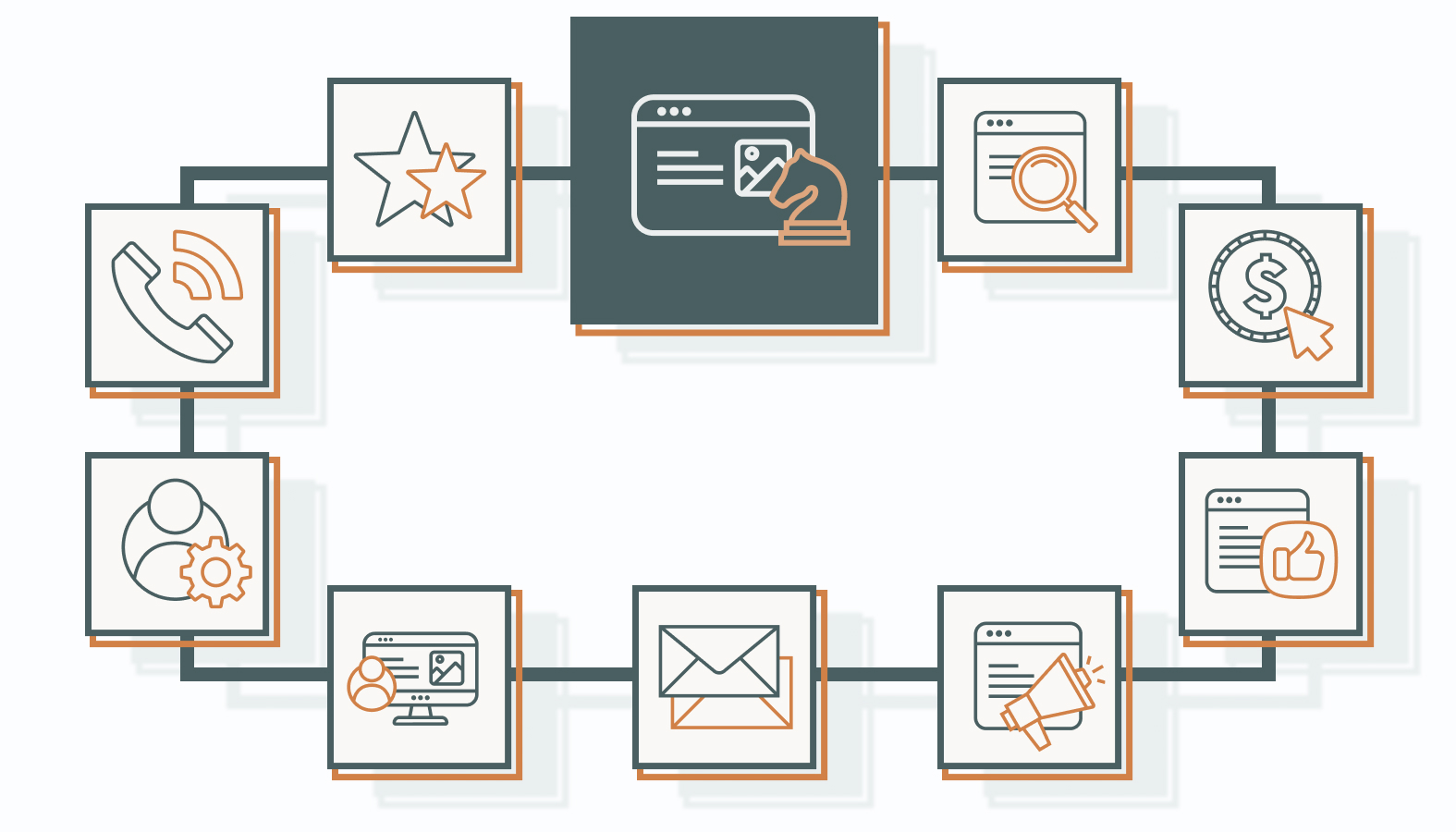
Winning in B2C digital marketing doesn’t chase a single “magic channel.” Consumers jump between platforms constantly. Scrolling social, searching Google, opening emails, then back to social again.
Brands that keep up are the ones that show up consistently and strategically across channels.
The following strategies are your core toolkit. Each one plays a different role in attracting attention, driving action, and keeping customers coming back:
Search Engine Optimization (SEO)
SEO helps your brand appear when consumers actively search for products or answers online. In 2026, search engines prioritize content that delivers a strong user experience and expertise.
Modern SEO best practices include:
- Prioritizing Core Web Vitals for fast, stable pages
- Optimizing for mobile and voice search
- Strengthening E-E-A-T through trustworthy, expert content
- Using AI tools to analyze keywords and search intent better
SEO drives consistent organic visibility without paying for every click.
Pay-Per-Click (PPC) Advertising
PPC delivers immediate visibility by placing your brand in front of high-intent audiences. Platforms like Google Ads and Meta allow targeting based on user behavior and search intent.
To maximize results:
- Use automated bidding and AI optimization
- A/B test ad creatives and landing pages
- Focus on long-tail and branded keywords
- Track attribution to identify what drives conversions
PPC becomes a scalable engine for customer acquisition.
Social Media Marketing
Social platforms are where brands capture attention and build personality. Success means creating content people want to engage with.
In 2026, the biggest drivers of engagement include:
- Short-form video such as Reels, TikTok, and YouTube Shorts
- Authentic, behind-the-scenes content
- Shoppable posts and live commerce
- Real community interaction
The brands that win on social act less like advertisers and more like entertaining storytellers.
Content Marketing
Content marketing builds credibility before a customer ever buys. It focuses on providing value first, such as educating, entertaining, or solving real problems.
High-performing formats include:
- How-to videos and tutorials
- Interactive quizzes and tools
- User-generated content like reviews and testimonials
- Insightful blog articles answering real consumer questions
Strong content attracts attention organically and keeps audiences engaged.
Email Marketing
Email remains one of the most reliable channels for nurturing and retaining customers. Its strength lies in personalization, tailoring messages to behavior, interests, and lifecycle stage.
Effective email marketing focuses on:
- Segment lists by behavior and lifecycle stage.
- Craft irresistible subject lines and preview text.
- A/B test for timing, design, and content.
- Provide genuine value instead of plainly selling.
Website Optimization & User Experience (UX)
Your website is your digital storefront, and it has seconds to make a good impression.
UX power moves:
- Fast load speeds and mobile-first design
- Simple navigation and streamlined checkout
- Clear calls to action
- Trust signals such as reviews and security badges
Smart brands constantly test and refine their sites. Small improvements often produce big conversion gains.
Influencer Marketing
Influencers connect brands with communities through trusted voices rather than traditional ads. In many cases, micro and nano influencers outperform celebrities because their audiences are more engaged and niche-focused.
Key factors to consider:
- Strong audience alignment
- Genuine engagement, not inflated followers
- Long-term partnerships over one-off promotions
When the collaboration feels authentic, influencer marketing can deliver reach and credibility.
SMS & WhatsApp Marketing
If email is reliable, direct messaging is immediate. SMS and WhatsApp campaigns reach consumers almost instantly, making them powerful tools for timely updates and offers.
Best practices include:
- Always securing clear opt-in consent
- Keeping messages short and value-driven
- Using automation for behavior-triggered notifications
- Staying compliant with privacy regulations
Messaging channels should be more like direct communication.
Loyalty Programs & Subscription Models
Loyalty and subscription programs encourage repeat purchases while strengthening the brand relationship.
Common high-performing approaches include:
- Points-based reward systems
- Tiered VIP programs with exclusive perks
- Personalized subscription boxes
- Easy digital dashboards for managing rewards
When customers feel rewarded for sticking around, loyalty turns into long-term revenue.
Building a High-Impact B2C Digital Marketing Strategy
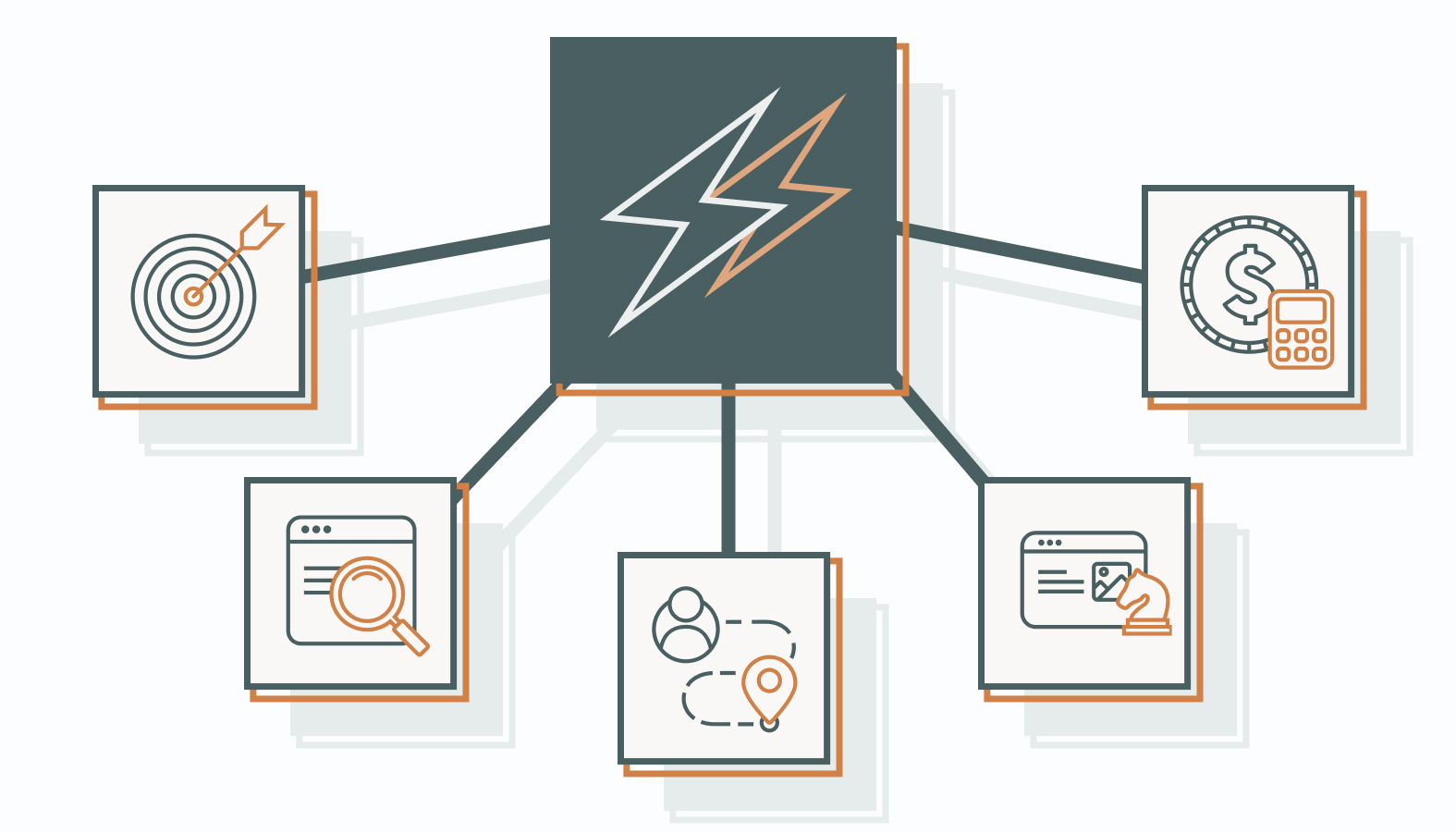
In a fast-moving, hyper-competitive market, strategy is your strength. A smart plan aligns your team, focuses your spend, and ensures every move truly works.
Here’s how to build a B2C digital marketing strategy that hits hard:
Setting Clear Goals and KPIs
Vague goals like “increase sales” won’t cut it because you need SMART targets: Specific, Measurable, Achievable, Relevant, and Time-bound.
In 2026, track KPIs like conversion rates, customer acquisition cost, lifetime value, retention, repeat purchases, average order value, engagement, and brand sentiment. Clear metrics show your team exactly what winning looks like.
Understanding Your Audience
You can’t market effectively to people you don’t truly understand.
Build personas that go beyond demographics to capture motivations, behaviors, pain points, and aspirations.
Analyze browsing and purchase patterns, survey customers for feedback, monitor social trends, and leverage analytics tools and CDPs.
Keep personas updated, so your audience is always evolving.
Mapping the B2C Customer Journey
Map each stage from awareness to advocacy, spot friction points, and optimize every handoff.
Steps to master it:
- Plot key touchpoints and content encounters
- Identify where prospects drop off
- Ground your map in real data, like analytics, interviews, and real observation
- Use journey tools like HubSpot, Lucidchart, or Miro
A clear map plugs leaks and ensures a great brand experience.
Crafting Compelling Brand Messaging
Your messaging should be clear, firm, and unforgettable. Answer “why should I care?” instantly with a consistent tone, value propositions that hit both rational and emotional notes, and storytelling that anchors your narrative.
Budgeting and Resource Allocation
Smart brands know where to spend and when to pivot.
Pro tips:
- Allocate based on channel performance and business priorities
- Track which touchpoints drive results
- Review spend regularly, double down on winners, cut what fails
- Monitor ROI relentlessly with dashboards or analytics tools
A strategic budget keeps you efficient, effective, and ready to scale.
Overcoming Top B2C Marketing Challenges
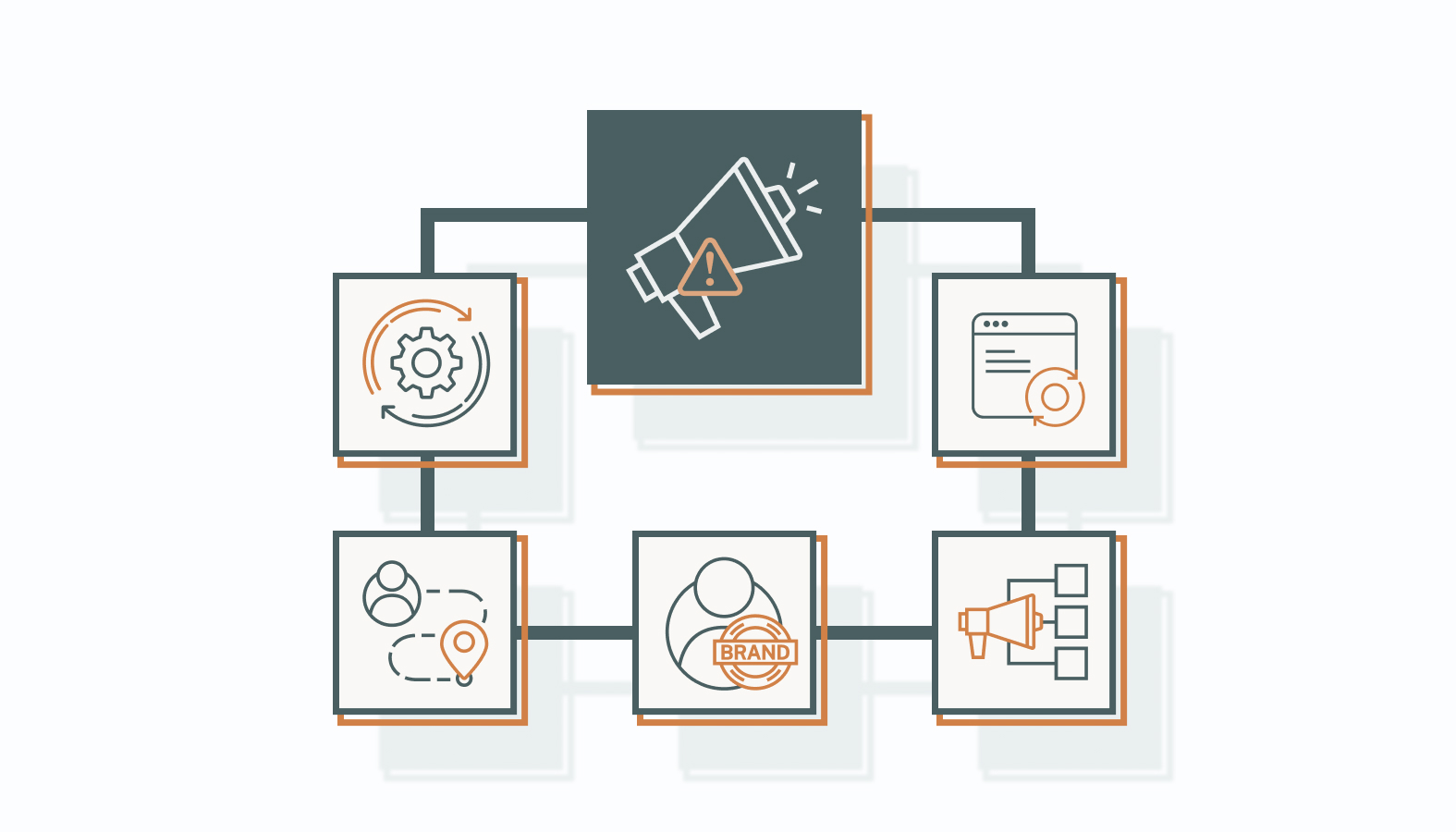
B2C digital marketing in 2026 is fast, competitive, and constantly changing. Brands face shifting consumer expectations, stricter privacy rules, and a tech landscape that moves too fast to ignore. The key is treating challenges as opportunities to adapt and improve.
Adapting to Changing Consumer Behaviors
Consumer preferences change quickly. What works today might not work tomorrow.
Successful brands monitor trends in real time, test new channels early, and adjust campaigns quickly to stay relevant. Quick action keeps your brand top-of-mind.
Navigating Data Privacy and Cookie Deprecation
With third-party cookies disappearing and privacy rules tightening, targeting becomes harder.
Brands that focus on first-party data, use contextual targeting, and adopt privacy-compliant tools can maintain effectiveness while building trust with customers.
Standing Out in a Saturated Market
In crowded markets, differentiation matters more than volume.
Brands that clearly define what makes them unique, express their personality consistently, and tell memorable stories capture attention and loyalty.
Managing Multi-Channel Consistency
Your brand must deliver the same message and experience across all platforms.
Centralizing assets, enforcing brand guidelines, and regularly reviewing channels keep communication consistent and prevent mixed signals.
Keeping Up with Digital Trends and Innovations
Digital marketing evolves constantly.
Brands that experiment with new tools, test emerging platforms, and stay informed through industry resources move faster than competitors and remain relevant in a changing landscape.
Facing these challenges head-on with flexibility and creativity turns obstacles into launchpads for B2C growth.
Advanced B2C Digital Marketing Tactics
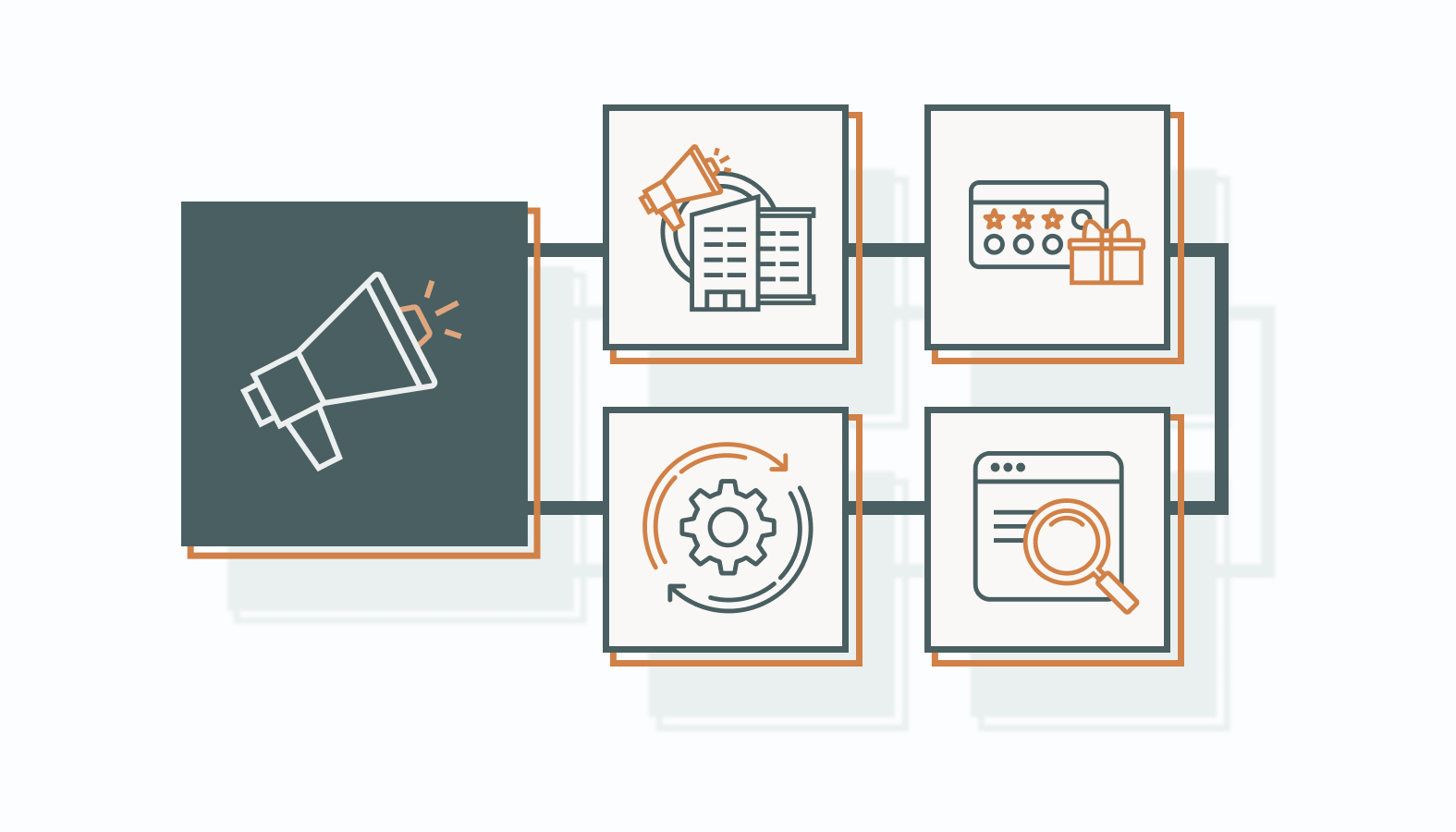
Once you’ve mastered the fundamentals, it’s time to get smarter. Advanced B2C marketing squeezes maximum value from every interaction, keeping customers engaged and staying ahead of competitors who think fast moves are optional.
Let’s dig into the tools and strategies that give ambitious brands their edge:
Retargeting and Remarketing Campaigns
Retargeting turns interest into action.
When someone visits your site and leaves, a well-timed ad, email, or social message brings them back. The key is personalization and relevance by showing them what they actually viewed, avoiding spamming, and keeping the content fresh.
Do this part right, and hesitant visitors convert into buyers, often faster than they expect.
Building Customer Loyalty Programs
Successful programs reward both purchases and engagement, offering perks, early access, and exclusive experiences.
Gamification and tiered rewards keep customers coming back, turning casual buyers into repeat customers who feel valued and connected.
Evaluate success with enrollment and active participation rates, redemption rates on rewards, repeat purchase frequency, and lifetime customer value (CLV) compared to non-members.
Enhancing the Customer Experience Online
Customers expect seamless, intelligent service. Personalized content, AI chat support, and real-time recommendations remove friction from every interaction.
Brands that anticipate needs and solve problems instantly, like Nike’s tailored app experience, make buying effortless and leave competitors scrambling.
Prioritizing Mobile and Voice Search Optimization
Mobile and voice are mandatory. Fast-loading, thumb-friendly sites, conversational keywords for voice search, and optimized local listings ensure customers find you and buy from you wherever they are.
Master these advanced tactics, and you’ll keep up and set the pace.
Emerging Trends Shaping B2C Digital Marketing
The digital world doesn’t pause, and neither should your strategy. New behaviors, new tech, and smarter consumer expectations are reshaping how brands connect, sell, and grow.
The brands that stay ahead aren’t chasing trends, but owning them.
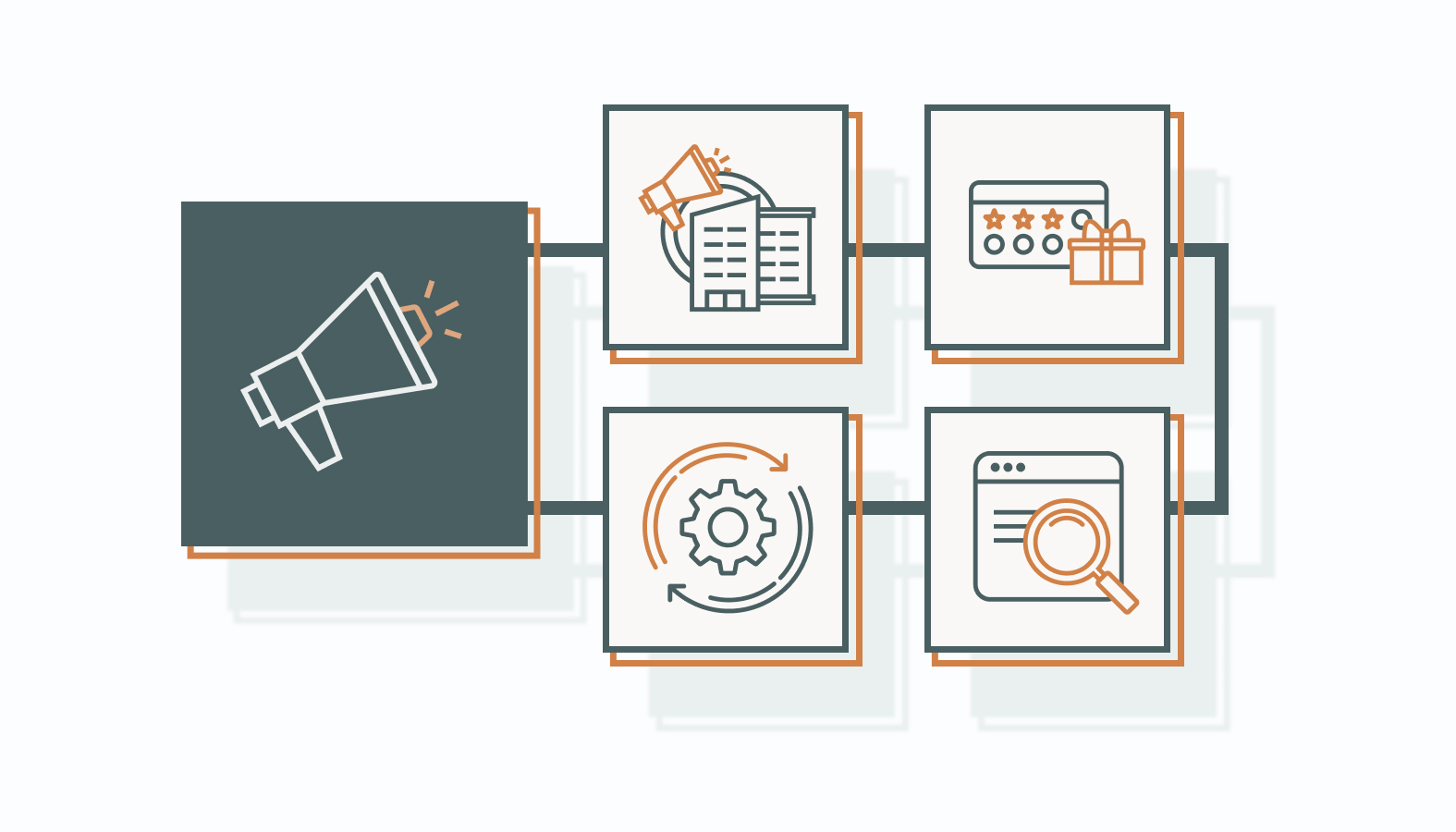
Social Commerce and Shoppable Content
Social media now functions as a direct checkout lane instead of just a discovery tool. Platforms like Instagram, TikTok, and Pinterest let consumers buy instantly without leaving the app.
The winning brands simplify every step, integrating products into posts, Reels, and Stories, and partnering with creators for live, exclusive drops. Frictionless experiences convert curiosity into instant sales.
Subscription-Based and Membership Models
Subscriptions become a loyalty engine for B2C brands. Offering curated boxes, exclusive perks, or early access turns one-time buyers into predictable, long-term revenue streams.
Success comes from blending utility with exclusivity, giving customers a reason to stick around beyond the initial purchase.
Hyper-Local and Geotargeted Marketing
Location is no longer just data. It is context, timing, and relevance all rolled into one. Brands that leverage geofencing, local inventory, and real-world triggers deliver offers at the right moment.
This hyper-local approach builds immediacy, drives in-store visits, and keeps your brand toptier.
The Future of Influencer Marketing
Big names are still effective, but micro- and nano-influencers deliver precision and trust at scale. Even AI-generated personalities are entering the mix.
Brands that win focus on long-term partnerships, co-creation, and data-driven selection, favoring authenticity over hype.
Focus on authenticity and sustained collaboration because those who master them can build lasting credibility and buzz.
Keep your eyes on these trends, and you’ll stay relevant, as well as positioned to set the standard for what’s possible in B2C digital marketing.
Turning Strategy Into Sustainable B2C Growth
B2C digital marketing works best when every element works toward turning initial interest into lasting customer relationships. Strong performance comes from combining consumer insight, clear objectives, the right channels, and well-optimized customer experiences.
When these pieces work together, marketing moves customers naturally from discovery to conversion. Winning brands treat marketing as a connected system rather than isolated campaigns. They track meaningful metrics, adjust based on real customer behavior, and stay flexible as technology and expectations evolve.
Strategy sets the direction, data clarifies what works, and customer value keeps the entire system effective. They:
- Align every channel and campaign with a clear business objective.
- Treat marketing as a connected system instead of separate tactics.
- Use data and customer behavior to guide continuous improvements.
- Focus on long-term customer value, not short-term wins.
Sustainable growth comes from disciplined execution. When every touchpoint works toward the same purpose, results become more consistent, scalable, and predictable.
Accelerate Your B2C Digital Growth
A strong B2C digital marketing strategy benefits from experienced insight. A fresh perspective can uncover opportunities to boost performance and growth.
Our team helps brands align strategy, channels, messaging, and data into a marketing engine that attracts the right audience and converts consistently. Schedule a candid conversation with one of our experts. » Let’s connect and see what’s possible on your terms, at your pace.